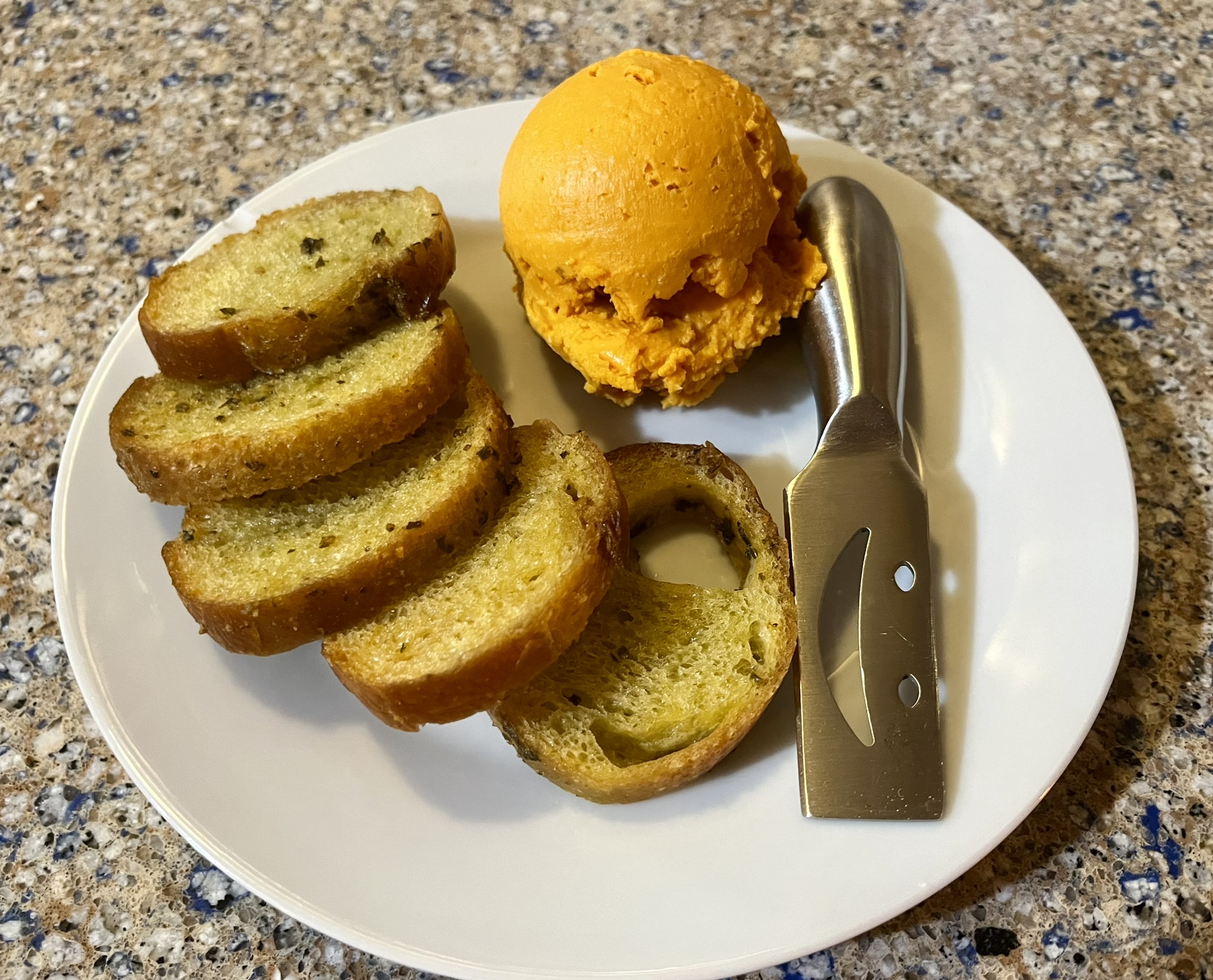
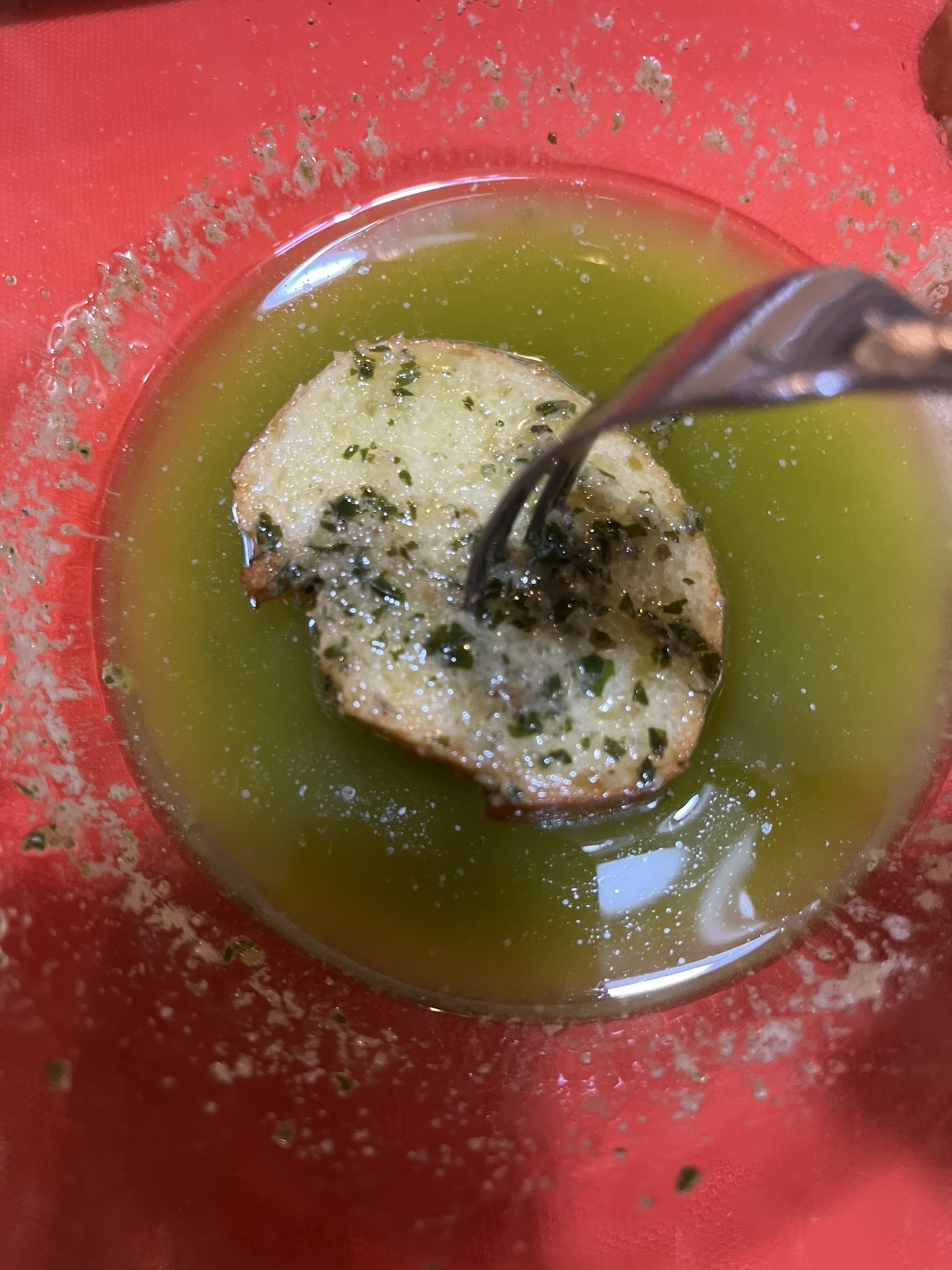
Poached Cod in Tomato Sauce

I grew up in a family that loved to fish so we ate fish often…freshwater fish like coho, lake trout, perch, bluegill. Most often fish was pan fried, deep fried, or occasionally baked or broiled. Fish soup (kalamojakka) and fish boils were also enjoyed regularly. In this house we love fish, and we love all things tomato, so this poached cod is the perfect combination of the two. I’ve been making this dish for a long time and used to serve it over rice, but the last few times I’ve served it with grits instead. Kind of reminiscent of shrimp and grits. Poached fish is very moist and the broth adds flavor without added fat. Excellent choice if you’re watching calories. Regardless of how it’s prepared, fish cooks quickly making it a perfect dinner when time is short.

Ingredients:

Cod filets (approximately a pound and a half)

2 pints diced tomatoes

1 T olive oil

1/2 cup diced onion

1/4 cup diced bell pepper

2 cloves garlic minced

1-2 T capers

1-2 T sliced kalamata olives

1 T dried oregano

2 tsp pepper flakes (more or less depending on personal preference)

salt and pepper to taste

fresh parsley for garnish

Prepping all of your ingredients beforehand makes cooking go smoother and faster.
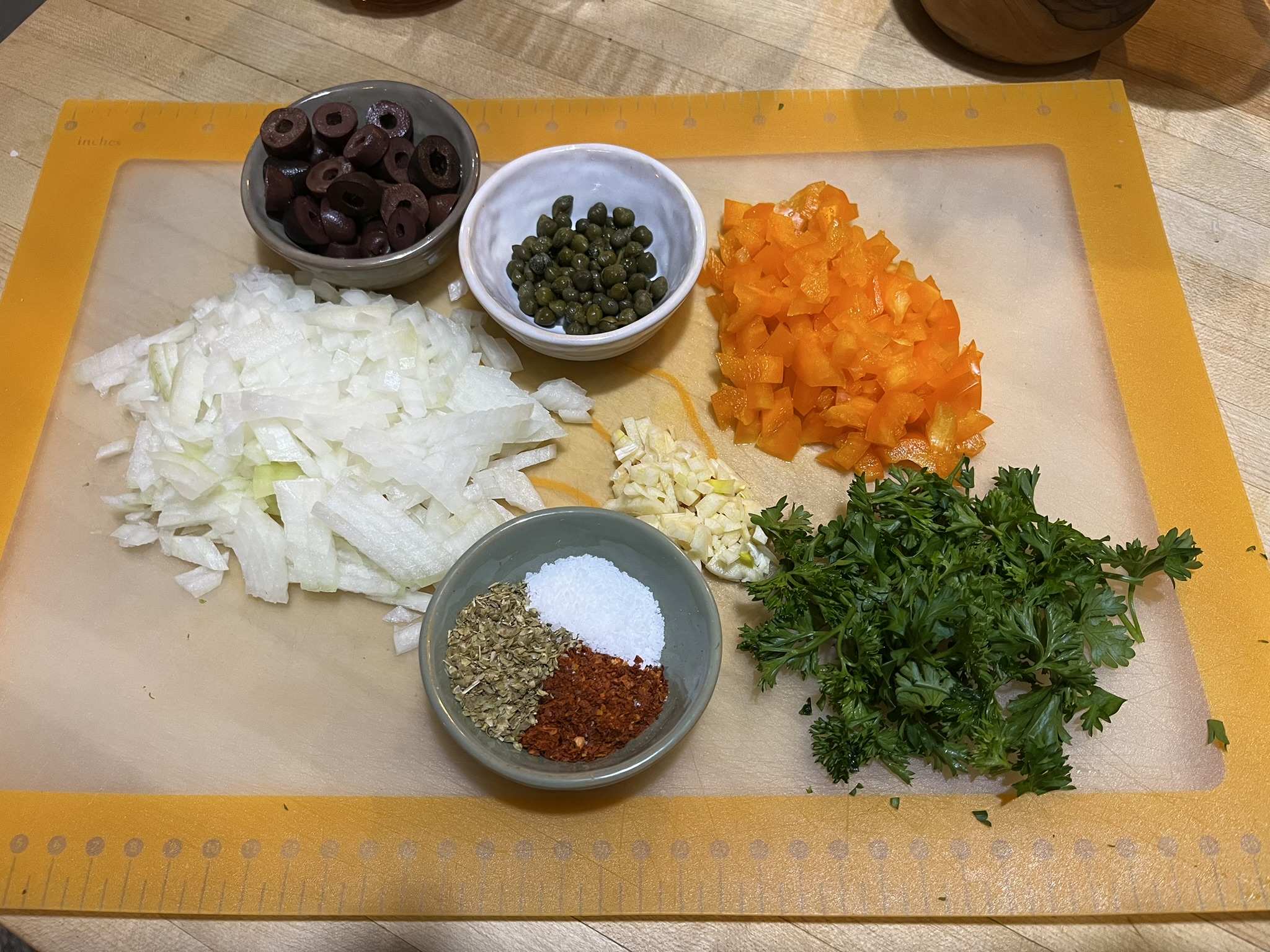
Heat the olive oil in a large heavy pan over medium high heat and sauté the onions and peppers for 3-4 minutes until they are tender. Stir in the garlic, oregano, pepper flakes, and salt to taste and sauté an additional minute or so.

Add the tomatoes, olives, and capers. Reduce the heat and simmer uncovered for 10-15 minutes stirring occasionally.

While the sauce is simmering get your filets ready. Use paper towel to pat the fish dry. Cut the filets into pieces and season them with salt and pepper.

Nestle the fish in the sauce. Cover the pan and simmer for approximately 8 minutes. The fish should flake nicely. Serve the fish atop your rice or grits and ladle on some of the sauce. Garnish with some fresh parsley.
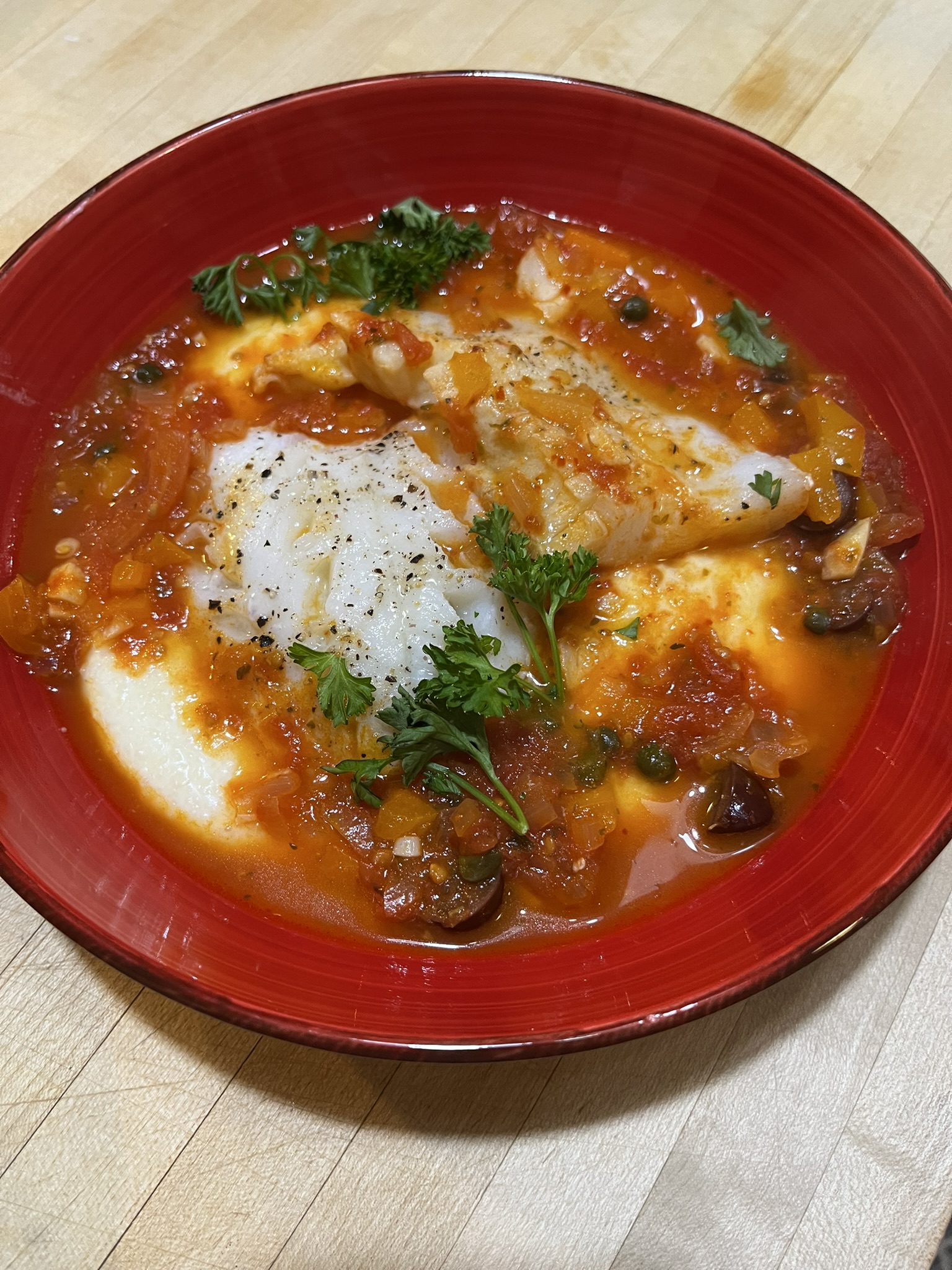
Enjoy!

NOTES: This recipe would work well with any meaty white fish. I have not used trout or salmon, but those may be fine as well. Fish skin is best when it is crispy so no skin when poaching. Adjust the spice level based on personal preference.

The leftover broth is a great addition to soup or chowder so save it.

Onion Jam

For awhile I’ve been intrigued with the whole concept of “onion jam.” Sweet and savory in one bite. And who doesn’t like some beautifully caramelized onions?? A few days ago I was making sliders for our Saturday Nighters group and decided to give this jam a try. It is infinitely versatile in it’s flavor and utilization. You can change up the vinegar flavors and the herbs, use red or white onions, and adjust the sweetness level based on personal preference. Add a little bowl of onion jam to your charcuterie board, spread some on your burger or grilled cheese, add it to sauces for meat and poultry, and, of course, spread some on your roast beef sandwich. It’s easy to make, smells wonderful on the stove, and can be stored for several months in the refrigerator. The recipe below made approximately one pint of jam.

Ingredients:

1/4 cup of olive oil

2 large sweet onions diced (approximately 3 cups of diced onion)

Fresh parsley, rosemary, and bay leaves

2/3 cup of granulated sugar

2/3 cup vinegar (I used fig)

salt to taste

In a Dutch oven or heavy skillet heat the olive oil over medium high heat, and add the diced onions. Cook for 15-20 minutes stirring occasionally. Tie your fresh herbs with kitchen twine and add to the onions. Cook an additional 3-5 minutes.

Reduce the heat to medium and sprinkle the sugar over the onions. Without stirring, allow the sugar to melt. This took approximately 5 minutes.

Once the sugar has melted into the onions increase the heat to high and cook without stirring until the mixture is amber brown in color, approximately 5 minutes.

Once again, adjust the temperature. This time to low. Discard the herbs and stir in the vinegar. Cook an additional 5 minutes or so, stirring occasionally.

Remove from the heat and allow to cool. Taste and add salt if desired. Store in the refrigerator.

NOTES: You can use any kind of vinegar…balsamic, cider, white wine, champagne, fig.

Use any herbs you want to pair with the onion and vinegar. Rosemary and thyme are two of my favorites. Make sure you bundle them with twine to make them easier to pull.

Buttery Pesto Rounds

It’s hard to even call this a recipe, but everyone loves them, so here goes. My dear friend Jane shared this with me after she had them prepared by her daughter’s mother-in-law. The original recipe called for two ingredients. I expanded it to include three ingredients. My iteration included pesto for the twist. I’ve never been able to grow plants, but a few years ago my daughter gifted me an Aerogarden for Christmas. It grows basil like nobody’s business. 

Not wanting to waste that delicious basil, in addition to adding it to salads and pasta dishes, I make a lot of pesto and freeze it in ice cube trays. It comes in handy for making so many dishes from sandwiches to omelets to pasta…and these delightful and addicting buttery pesto rounds.

Ingredients:

A nice bakery baguette

2 sticks of butter

2 T pesto (homemade or store bought)

Preheat your oven to 350 and line a sheet pan with parchment paper.

Melt the butter, along with the pesto, in the microwave.

Cut the baguette into about 1/2 inch thick slices.

Immerse the bread rounds, one at a time, into the pesto butter like you are making French toast.

Lay the rounds out on your parchment lined sheet pan.

Bake for 15 minutes. Remove from the oven, and reduce the oven temperature to 325. Turn each bread round over and return the pan to the oven. Bake for 10 additional minutes. Turn the oven off and, with the door slightly ajar, leave the pan in the oven to allow them to crisp up without getting too toasty. Remove from the oven and allow them to cool completely. Store in a zip lock bag or storage container. Enjoy them with a cheese spread, add them to your charcuterie tray, or just eat them as is. They won’t last long.